

There’s a moment — not even a scene — in the HBO series Deadwood where bar owner, dope peddler, and pimp Al Swearengen must use his reading glasses in the company of others. “Yes,” actor Ian McShane deadpans with a sigh of regret, “It has come to this.”
“It has come to this” could have easily been the title of James McMurtry’s perfect new album, The Black Dog and the Wandering Boy, his eleventh studio work and best, which finds an array of characters meditating on aging and the mistakes along the way.
McMurtry has always written from the point of view of another, usually someone who shares more than one layer of anger akin to Al Swearengen of Deadwood. Here with The Black Dog and the Wandering Boy, it may be less of a remove from the author himself, especially as McMurtry — or someone — recounts in “Sailing Away” for one of countless vivid images, “Opening for Isbell in some cavernous room” at a show where the singer’s determined not to forget the chorus again because he was “trying to remember, did I lock the front door,” or more starkly debating, “have I any business being in this business any more?”
It’s a tough decision, knowing when is when, and “Sailing Away” is McMurtry at his finest: sad, angry, realistic, and, dammit, “not okay.” Don’t we all know that state.
Yet “Sailing Away” sits beside “Sons of the Second Sons,” another composition which could stand next to “Choctaw Bingo” or “Cooper Canteen” as his greatest in a catalouge of excellence. “Sons of the Second Sons” questions “What’s the poor second son to do?” in a world where we’re all the second son, a world where the firstborn gets all the hereditary riches. Instead, we and many more become “products of genocide.” There’s a turn McMurtry makes here, going from a description of the collective as “salt of the blessed Earth” to “salt of the fuckin’ Earth” that makes for fisting pumping and weeping simultaneously understandable. Such is a McMurtry song.
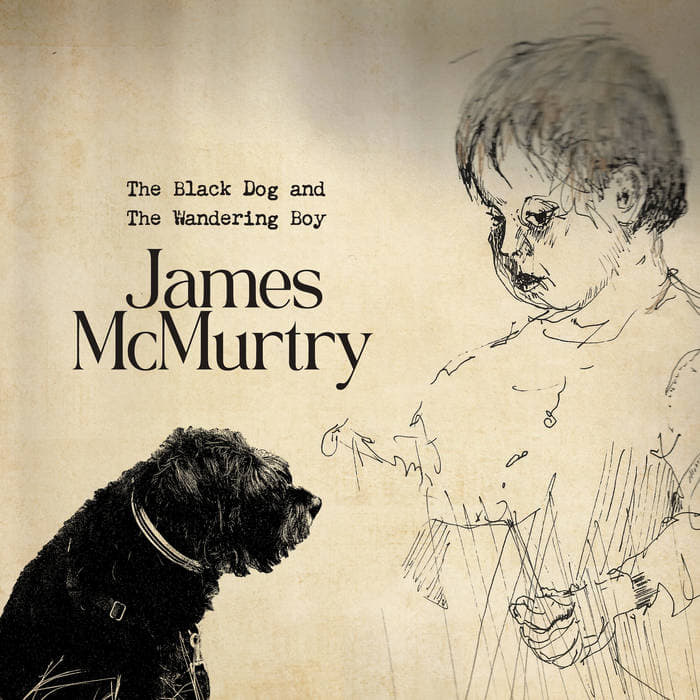
McMurtry with help from Don Dixon produces the album, one that makes use of each note from a fine group of studio hands. The arrangements are pristine: the stand-up bass carries a heavy and wise load throughout, but there are also hints of banjo in “Annie,” easily the best song written about 9/11 and its aftermath. McMurtry, as is his wont, takes a character’s personal, a character’s microscopic moment, to account for the whole. It’s someone who missed the news, and asks, “Annie, what you doing in Nebraska? Does anybody know what’s going on? Trade Center’s gone” in a frightened phone call. The song sits in the middle of the album as if to say that a lot of shit has always happened in humanity’s history, but when it comes to recent events, we may not want to forget where right went wrong. “I guess we’re going to war,” he nearly sighs over a cello as wistful as it is mournful.
Even Pinocchio can’t escape the ending. He’s now taken to gambling in Las Vegas after Geppetto’s death, but he can’t help but soak in pain of lost memories as he asks an unknown ear — maybe me or you — “Who were the neighbors next door/When I was still crawling in the floor?” There lingers the the commands from childhood, doled out from parents and grandparents which many of us Southerners remember: “Come and take them watermelon rinds/Toss them over the horse-lot fence/Go wash up and quit that cryin’” Demands from a time before parenting books, god damn YouTube vloggers, and helicoptering being a verb.
McMurtry writes “Pinocchio in Vegas” as both a point of humor where his “dick grows when he lies” since he’s all grown up, yet you can’t escape the empty finality of “Who were the neighbors next door?/I can’t call you up and ask you any more.”
It’s not that songwriter McMurtry forgot how to rock in his raucous own way, either. The opener, “Laredo (Small Dark Something),” a song of fucking up in as messy of a way as a person can, gives the most McMurtry delivery of any line before or since when all instruments drop out, and the guys shooting dope until the money ran out notifies listeners, as a matter of fact, “Money ran out.”
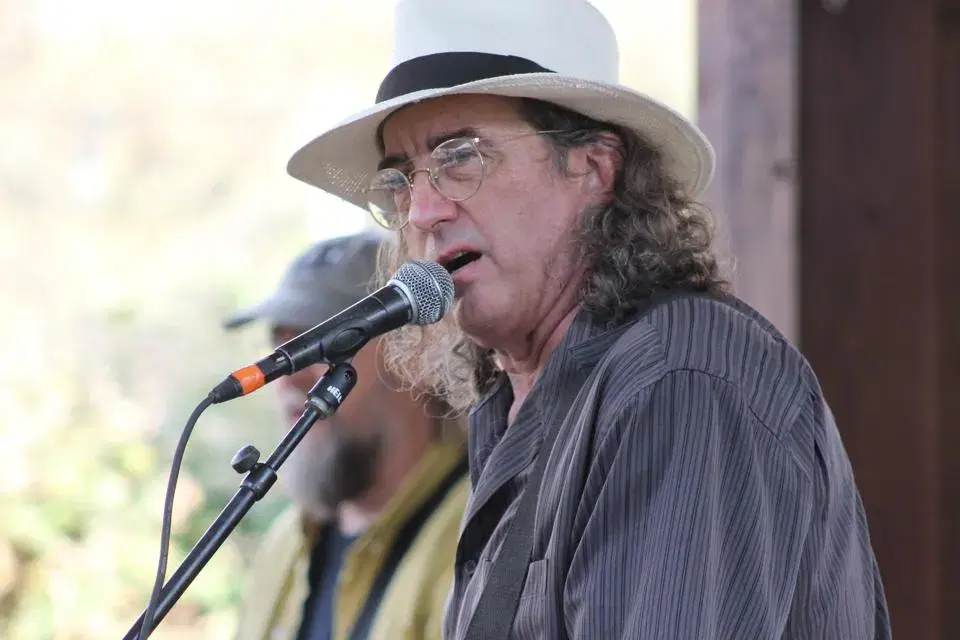
There are lawmen here who long for youth where they “used to be young…used to be stong as any man.”
That same Texas lawman, a man likely skirting the law for as much good as bad, declares, “I can’t stand getting old./It don’t fit me.”
It’s then the same lawman takes it all into his own hands: he ties a cinder block to his leg, leaves his cell phone in his truck, and under slithering cello and slide guitar, he ventures to a part of water so deep a man would encounter “things…that get mighty big.” Mighty big indeed.
Yes. It has come to this.
Find James McMurty on tour by visiting his site here and order The Black Dog and the Wandering Boy from his Bandcamp page here.